Adaptive betting slips have transformed the way players interact with wagering platforms, offering an intuitive interface that dynamically responds to a user’s choices, preferences, and behavior. Unlike static slips, which simply list selections and allow basic stake entry, adaptive slips integrate real-time odds, contextual recommendations, and personalized controls that enhance the user experience while encouraging informed decision-making. The evolution of this tool reflects a broader shift in digital gaming toward user-centric design, where flexibility, clarity, and transparency are prioritized to promote engagement and responsible play.
At the core of an adaptive betting slip is its ability to respond fluidly to selections across multiple events or markets. When a player adds a bet, the slip immediately recalculates potential returns, adjusts risk indicators, and, if configured, suggests complementary bets or combinations based on historical data or current market trends. This dynamic feedback loop not only saves time but also provides an educational layer, helping users understand how changes in odds or bet types influence potential outcomes. Advanced implementations use predictive algorithms to highlight bets that align with the player’s past patterns, offering tailored insights without imposing decisions.
Integration of real-time odds is another fundamental feature. In fast-moving markets such as in-play betting, odds fluctuate constantly, and an adaptive slip ensures that the displayed potential returns remain accurate and current. By automatically updating calculations when odds change, the slip prevents confusion and reduces the likelihood of placing bets based on outdated information. Visual cues, such as subtle color changes or icons, can signal increases or decreases in odds, helping users quickly gauge the attractiveness of a particular wager. This immediate feedback reinforces confidence, as players can make swift decisions while staying informed about evolving circumstances.
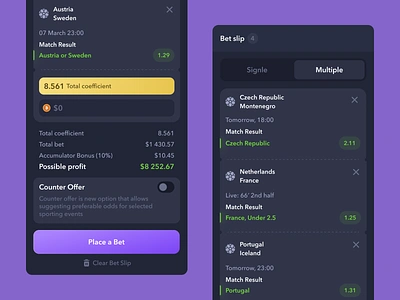
Adaptive slips also enhance usability through modular design. Sections for multiple bet types—single bets, accumulators, system bets—can expand or contract based on user activity. This flexibility reduces clutter, allowing the player to focus on selections that matter most while still retaining access to advanced options. Stake input fields can adapt to preferred units or suggested amounts, often integrating preset buttons for common values, which streamlines the betting process. Some platforms include risk calculators that provide instant projections of maximum exposure, potential profit, and estimated return on investment, giving players a clear overview of how their choices interact across complex bet structures.
Personalization is a key advantage of adaptive slips. By analyzing user behavior, including frequently selected markets, typical stakes, and favored bet types, the interface can highlight relevant options while minimizing distractions. For example, a player who regularly wagers on football matches may see upcoming fixtures prioritized, with historical performance trends subtly displayed to support decision-making. Notification preferences can also be embedded, alerting the user when odds reach desired thresholds or when bets are nearing expiration. Such customization ensures that the slip aligns with the individual’s style, increasing efficiency without overwhelming the player with irrelevant information.
Accessibility features are often incorporated into adaptive slips to accommodate diverse audiences. Adjustable font sizes, contrast modes, and keyboard navigation support create an inclusive environment for users with varying needs. Clear labeling and tooltips provide guidance on complex bet types or terms, while confirmation prompts help prevent accidental selections. This attention to usability reduces errors, improves engagement, and reinforces responsible play, particularly in high-stakes or time-sensitive scenarios.
Security and data integrity are fundamental considerations in the design of adaptive betting slips. All inputted stakes, selections, and potential returns are processed with robust encryption, ensuring that player data remains confidential and transactions are protected. Real-time validation checks prevent inconsistencies, such as invalid bet combinations or exceeding platform-imposed limits, which fosters trust in the system. The slip’s seamless integration with the broader account interface, including deposit balances and withdrawal options, ensures that users have a holistic view of their wagering activity without needing to navigate multiple screens.
Furthermore, adaptive slips contribute to responsible gambling practices. Many platforms integrate features that monitor betting patterns and provide gentle prompts when activity exceeds predefined limits. Users can set self-imposed caps on stakes or losses, and the slip can reflect these boundaries in real-time, preventing accidental overextension. Informational overlays may remind players of responsible play tips, encouraging reflection without obstructing the core betting experience. This proactive approach demonstrates that user-centric design can coexist with ethical operational practices, balancing engagement with safeguards.
Cross-device compatibility is another hallmark of adaptive slips. Whether accessed on desktop, tablet, or mobile, the interface maintains consistency in functionality and appearance, adapting to different screen sizes while preserving responsiveness. Touch interactions, swipe gestures, and dynamic menus allow users to interact efficiently regardless of device, ensuring that bet placement remains fluid and intuitive. Synchronization across platforms guarantees that selections made on one device appear instantly on another, maintaining continuity and reducing the risk of errors due to device transitions.
Analytics and post-bet feedback further enhance the value of adaptive slips. Platforms often provide summaries of completed bets, highlighting performance, returns, and trends over time. This retrospective insight allows players to refine strategies and make informed adjustments for future wagers. Visualizations such as graphs, heat maps, or probability indicators help contextualize outcomes, transforming raw data into actionable intelligence. By merging predictive insights with post-event analysis, adaptive slips cultivate a learning environment that strengthens player competence and confidence.
In essence, adaptive betting slips redefine the interaction between users and wagering systems by combining intelligence, flexibility, and clarity. They are not merely transactional tools but interactive interfaces that support decision-making, encourage responsible play, and personalize the betting experience. By integrating real-time data, behavioral insights, security measures, and accessibility features, these slips offer a seamless and engaging platform that aligns with the needs of modern players. The continued evolution of adaptive slip technology suggests a future where betting interfaces are increasingly anticipatory, responsive, and user-centric, fostering an environment where informed choice, transparency, and enjoyment coexist harmoniously.





Be First to Comment